
Hot vs Cold Water Pressure Washing
You will see pressure washing companies advertise hot-water equipment as a selling point, and it raises a fair question: does the temperature of the water matter, or is it marketing? The straight answer is that hot water outperforms cold on certain jobs, while for many others cold water does the job just fine.
Where hot water helps
Hot water shines on anything greasy or oily. Just as hot water cuts grease on dishes far better than cold, hot-water pressure washing mobilises and lifts oil, grease and similar contaminants that cold water struggles with. That makes it valuable for driveway oil stains, garage floors, commercial kitchen and dumpster areas, gum removal, and other grease-and-grime jobs.
It can also speed up cleaning and help with certain stubborn grime, so on heavy-degreasing work the difference is real, not marketing.
Where cold water is fine
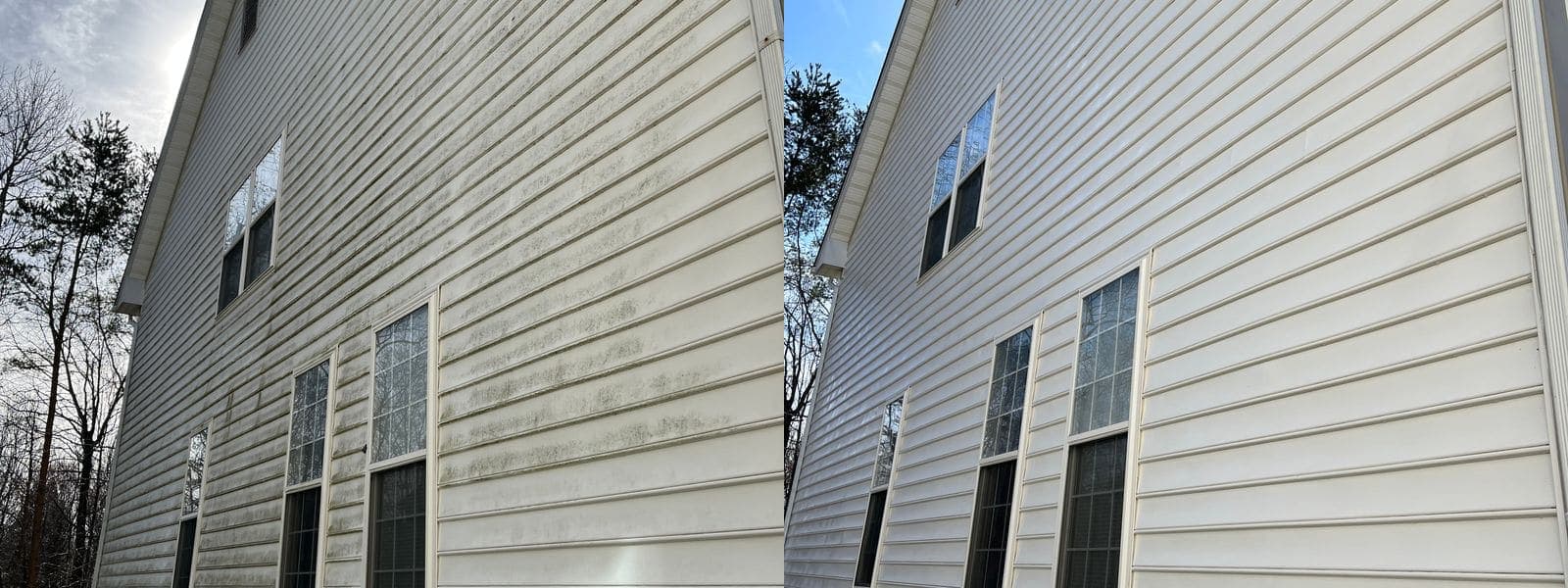
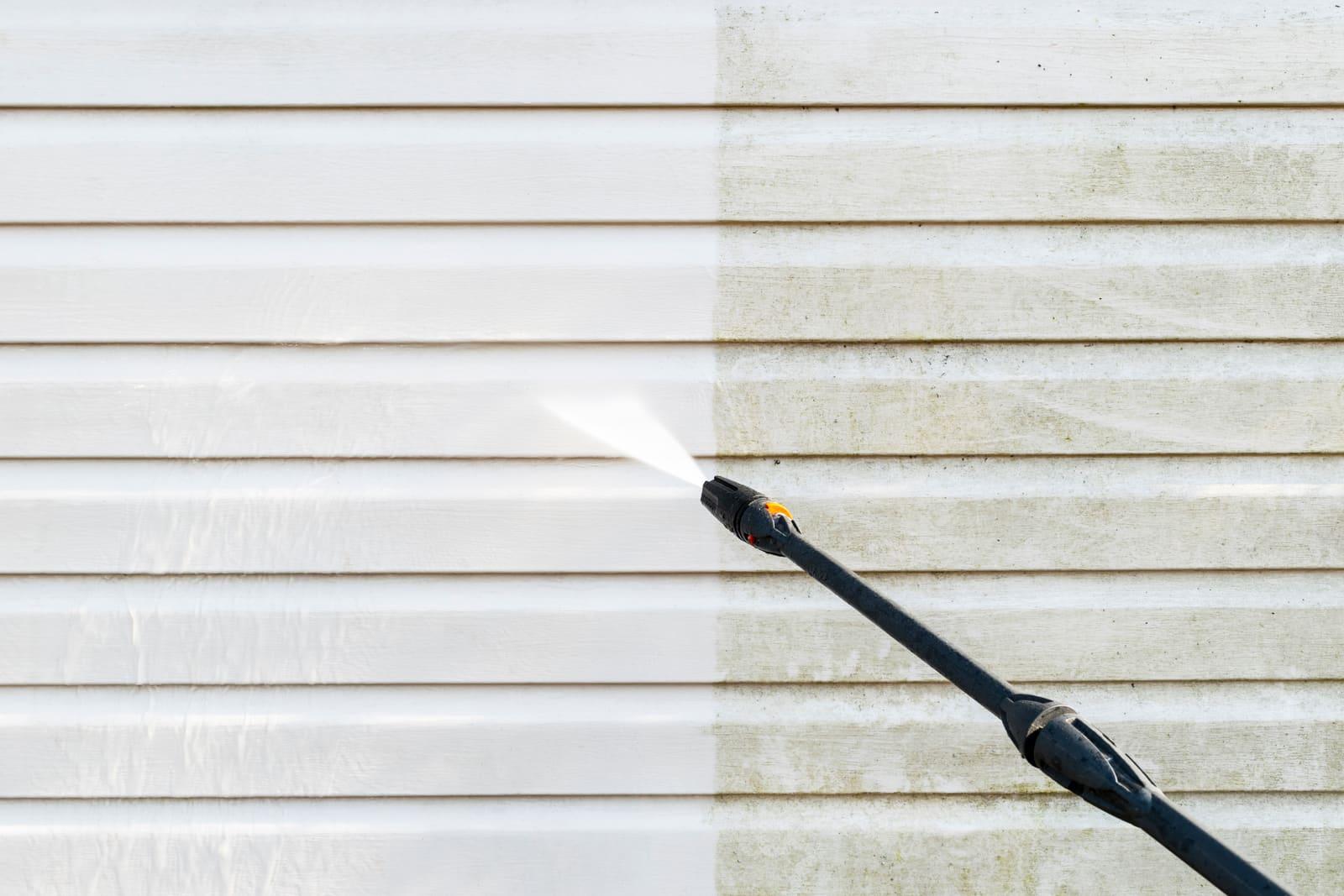
For the majority of residential jobs, cold water with the right technique and treatment does the job well. Removing moss and algae from concrete, driveways and walkways is really about the pre-treatment killing the growth and a surface cleaner doing an even pass, not water temperature. Soft washing siding and roofs relies on the cleaning solution, not heat, entirely.
So for a typical home, the moss, algae and general grime that need cleaning come off perfectly well with cold water and the correct method. Hot water is a specialist advantage, not a requirement for every job.
What it means for you
The practical takeaway: if your job involves grease or oil, driveway oil stains, a garage floor, commercial grease, hot water is a genuine advantage worth asking about. For ordinary moss, algae and grime on residential surfaces, the method and treatment matter far more than the water temperature.
A good company matches the approach to the job rather than treating hot water as a universal upsell. When you describe your job, the straight answer on whether temperature matters follows from what you are cleaning.